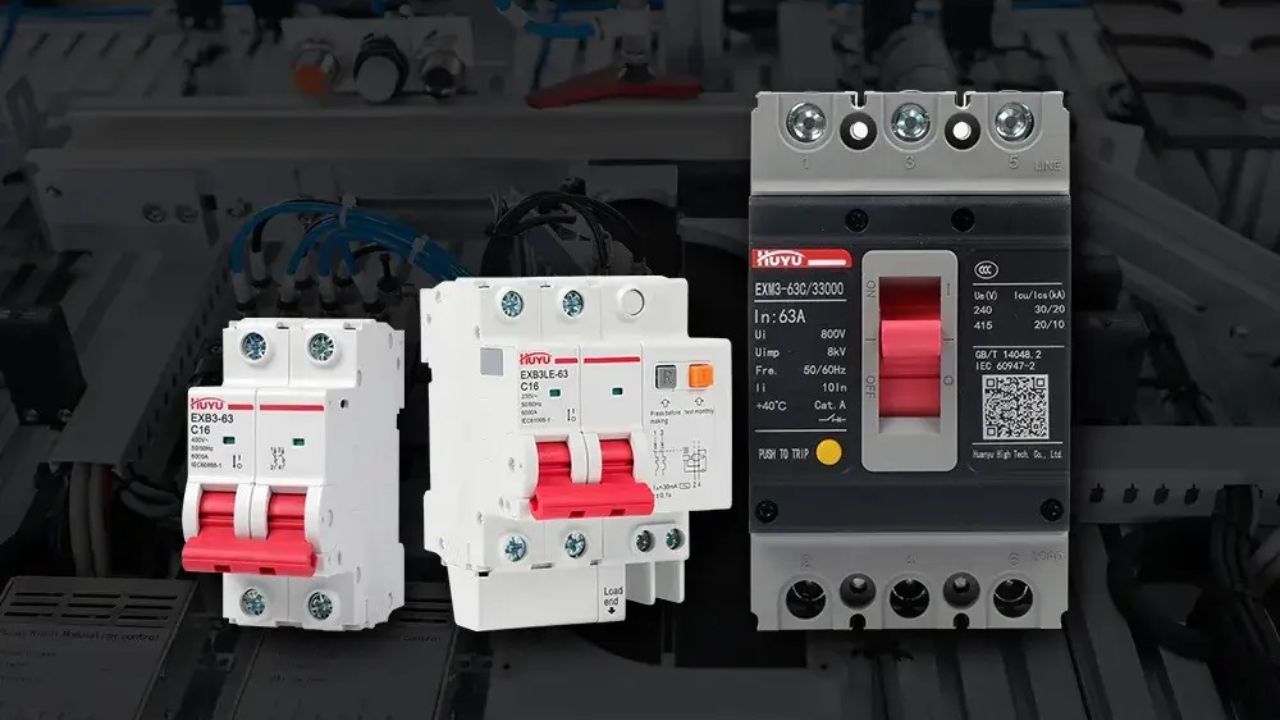
Electrical systems are part of the infrastructure of modern times, and they supply homes, commercial buildings, and industrial facilities with electricity. There are, however, risks associated with the comfort and effectiveness of electricity. The electric circuit breakers may be very dangerous without proper design, installation, and maintenance, as they may entail fire, electric shocks, and damage to equipment. This is where compliance and electrical safety standards are vital, ensuring that electrical installations are safe, reliable, and efficient.
The significance of Electrical Safety Standards
The existence of electrical safety standards is aimed at safeguarding people, property, and equipment against the hazards of electricity. These standards offer a guideline on how electrical systems should be designed and installed in order to reduce the risk and have a stable performance. Following these laws, manufacturers, electricians, and engineers will be able to minimize the risks of accidents and make the electrical systems work within safe limits.
Safety is a legal requirement in most parts of the world, and it is also an indicator of the best practices in the industry. Electrical systems failing to comply with these standards can have a dire outcome, such as fines and other regulations, heightened liability, and possible damage to occupants. In addition, compliance with accepted standards will give credibility to the reliability and efficiency of the system.
Vital Electrical Safety Standards
There are a number of global authorities that provide standards of electrical installations. The International Electrotechnical Commission (IEC) comes up with international standards on electrical equipment, wiring, and safety implementations. The National Electrical Code (NEC) in the United States is a document that contains specifications for the operation of residential, commercial, and industrial systems. Likewise, electrical fire and hazard prevention codes are put in place by the National Fire Protection Association (NFPA).
The standards usually cover important issues of the size of wires, circuit breaker ratings, grounding, overcurrent protection, and insulation. Using the example of the correct choice of wire gauge, one can make sure that the performance of electrical circuits capable of conducting the necessary current does not cause their overheating. Grounding requirements create a path where the stray electricity flows and ensure the elimination of the risk of electric shock. Circuit breakers or fuses, which are referred to as overcurrent protection, ensure that wires and equipment do not damage themselves during high electrical loads.
Electrical Installation Compliance
Compliance should be initiated through proper planning and design. Electrical engineers and technicians must consider the type of system to be installed, the load to be served, and the environment in which the installation will operate. In residential use, compliance can include making wet-location circuits in places like bathrooms and kitchens have Ground Fault Circuit Interrupters (GFCIs). In factories, to conform to standards, special breakers can be installed to cope with higher currents and ensure that equipment is not damaged.
When installing, the wiring diagrams and specifications that have been presented in safety standards should be followed. Labeling and proper connection of the wire and proper grounding are also part of a compliant and safe system. Inspectors tend to check the installations against the relevant codes and make sure that the materials, parts, and craftsmanship are in compliance with the regulations.
Learning about Local Differences
The safety in electricity can differ due to the geography, the local regulations, and the kind of installation. Although international standards offer a global standard, electricians and engineers need to take into consideration regional amendments. As an example, the level of voltages, the color of wires, and the space specifications might vary across nations. These local variations are important to understand and apply in order to ensure the safety and compliance with the law.
The Benefits of Compliance
Electrical safety standards have several advantages. It helps to guarantee the safety of people and equipment, minimize the threat of system failures, and increase the life of the electrical equipment. Professionalism is also enforced by compliance, which creates trust with clients, especially during commercial and industrial projects where the impact of failure may be very high.
Compliant electrical systems are usually more efficient, besides being safer, and they have a low energy loss with low costs of operation. The balance between performance, reliability, and risk mitigation can be achieved by companies through incorporating safety standards into design and installation practices.
Conclusion
Familiarization with electrical safety standards and compliance is one of the key obligations of an individual who participates in electrical system design, installation, or maintenance. The standards can be regarded as a route map to safe and efficient electrical systems as they guard people, property, and equipment against damage. Reliable and compliant electrical systems can be obtained by professionals by following accepted standards, using certified components, and testing installations. Finally, the adherence to electric safety is not only a legal and ethical responsibility but also the promise of the performance of the system in the long term and the safety of people who use electricity in their daily routine.